Introduction
Wildfires are one of the most destructive natural disasters affecting forests, wildlife, and human communities around the world. Every year, thousands of wildfires occur in different regions, destroying large areas of land and causing serious environmental damage. These fires can spread very quickly, especially during hot and dry weather conditions, making them difficult to control once they start. Wildfires not only destroy forests but also release large amounts of carbon dioxide into the atmosphere, which contributes to climate change. They can also damage homes, threaten human lives, and disrupt ecosystems that take many years to recover. Because of these risks, preventing wildfires has become a major priority for governments and environmental organizations. Traditionally, wildfire monitoring has relied on human observation, satellite images, and weather reports. While these methods are useful, they often detect fires only after they have already started spreading. Early detection is extremely important because it allows firefighters and authorities to respond quickly before the fire becomes uncontrollable. Artificial Intelligence (AI) is now helping improve wildfire prevention and monitoring systems. By analyzing large amounts of environmental data, AI can identify potential fire risks, detect early signs of fires, and support faster response strategies. These technologies are helping protect forests and communities from the growing threat of wildfires.
Understanding the Causes of Wildfires
Wildfires can start for many different reasons. Some fires are caused by natural factors such as lightning strikes, while others are the result of human activities. Human-related causes may include unattended campfires, burning agricultural waste, discarded cigarettes, and electrical equipment failures. Environmental conditions also play a major role in wildfire risk. High temperatures, dry vegetation, strong winds, and low humidity create conditions where fires can start easily and spread rapidly. Climate change has increased the frequency of extreme weather conditions, which has led to more frequent and intense wildfires in many parts of the world. Monitoring all of these factors simultaneously can be challenging for traditional systems. However, AI systems can analyze multiple environmental variables at the same time, making them highly effective tools for wildfire prevention.
Early Fire Detection with AI
One of the most important uses of AI in wildfire management is early fire detection. Detecting a fire in its early stages allows emergency services to respond quickly and prevent it from spreading across large areas. AI-powered monitoring systems use cameras, sensors, drones, and satellites to observe forests and natural areas. These devices continuously collect images and environmental data. AI algorithms then analyze this information in real time to identify unusual patterns that may indicate a fire. For example, AI systems can detect smoke patterns, temperature increases, or sudden changes in vegetation color. If the system identifies signs of a potential fire, it immediately sends alerts to authorities so that action can be taken. Compared to manual monitoring methods, AI detection systems are faster and more accurate. They can monitor large forest areas continuously without requiring human observation.
Predicting Wildfire Risk
In addition to detecting fires, AI can also help predict where wildfires are most likely to occur. By analyzing historical wildfire data along with environmental conditions, AI models can estimate the probability of fires in specific locations. These predictions are based on several factors, including temperature, rainfall levels, soil moisture, vegetation density, and wind patterns. AI systems combine these variables to identify high-risk areas where fires may start. This information helps environmental agencies focus their prevention efforts in vulnerable regions. For example, authorities may increase surveillance, restrict certain human activities, or deploy firefighting resources in high-risk zones. Predictive models powered by AI allow communities to prepare in advance and reduce the likelihood of severe wildfire outbreaks.
Monitoring Forest Conditions
Forests contain vast ecosystems that require careful monitoring to prevent environmental damage. AI technologies help scientists monitor forest health by analyzing satellite images and environmental data. For instance, AI can detect areas where vegetation has become extremely dry. Dry vegetation acts as fuel for wildfires, increasing the risk of fire ignition. By identifying these areas early, forest management teams can take preventive actions such as controlled burning or clearing excess vegetation. AI can also monitor illegal activities such as unauthorized land clearing or deforestation, which may increase wildfire risks. Detecting these activities quickly allows authorities to enforce environmental protection laws more effectively. Through continuous monitoring, AI helps maintain healthier forest ecosystems and reduce fire hazards.
Supporting Firefighting Operations
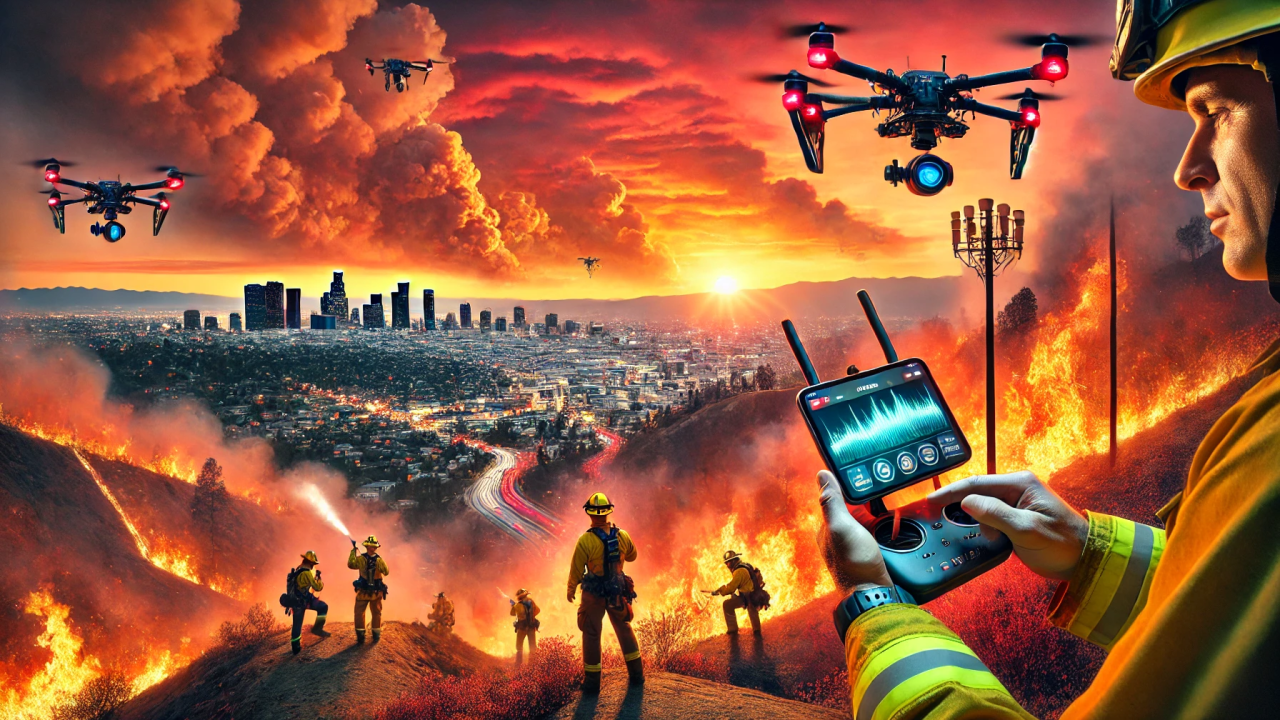
When wildfires do occur, AI technologies can assist firefighters in controlling the situation more effectively. AI systems can analyze weather conditions, terrain data, and fire behavior patterns to predict how a wildfire may spread. These predictions help firefighting teams plan their strategies and allocate resources efficiently. For example, AI models may identify the direction in which the fire is likely to move based on wind speed and landscape conditions. Drones equipped with AI-powered cameras can also provide real-time images of wildfire areas. These aerial views help emergency teams understand the scale of the fire and determine the best methods to contain it. By providing accurate and timely information, AI helps firefighters make faster and safer decisions during emergency situations.
Protecting Communities and Wildlife
Wildfires not only damage forests but also threaten human settlements and wildlife habitats. Many communities located near forests face serious risks during wildfire seasons. AI-based early warning systems can notify residents about potential fire dangers before the situation becomes critical. These systems may send alerts through mobile apps, emergency communication systems, or local authorities. Early warnings allow communities to evacuate safely and prepare for emergency situations. In addition, wildlife protection organizations can use AI data to identify endangered habitats and develop conservation strategies. By improving preparedness and response, AI technologies help reduce the impact of wildfires on both people and wildlife.
Challenges in AI-Based Wildfire Prevention
Although AI provides powerful tools for wildfire prevention, implementing these technologies also involves certain challenges. Building effective monitoring systems requires a large network of sensors, cameras, satellites, and data communication systems. In remote forest areas, installing and maintaining this infrastructure can be difficult. AI systems also require high-quality data to produce accurate predictions. If the data collected from sensors or satellites is incomplete, the reliability of AI predictions may decrease. Additionally, developing advanced AI systems requires technical expertise and financial investment. Many developing regions may face difficulties in adopting these technologies on a large scale. However, ongoing technological advancements are gradually reducing these barriers, making AI solutions more accessible for wildfire management.
The Future of AI in Wildfire Prevention
The role of AI in wildfire prevention is expected to grow significantly in the coming years. As climate change increases the risk of extreme weather events, the need for advanced wildfire monitoring systems will continue to rise. Future AI technologies may combine satellite monitoring, drone surveillance, weather forecasting, and environmental sensors into a single integrated system. These systems could provide real-time insights into wildfire risks across entire regions. Researchers are also developing AI models that can simulate wildfire behavior more accurately, allowing authorities to plan prevention strategies well in advance. With continued research and innovation, AI will become an essential tool for protecting forests, ecosystems, and human communities from wildfire disasters.
Conclusion
Wildfires pose a serious threat to the environment, wildlife, and human safety. Preventing and controlling these fires requires advanced technologies capable of monitoring large natural areas and analyzing complex environmental data. Artificial Intelligence is transforming wildfire management by enabling early fire detection, predicting wildfire risks, monitoring forest conditions, and supporting firefighting operations. These capabilities allow authorities to respond more quickly and reduce the impact of wildfires. As AI technologies continue to develop, they will play an increasingly important role in protecting forests and communities from the devastating effects of wildfires. By combining technology, environmental awareness, and effective policies, societies can work toward reducing wildfire risks and preserving natural ecosystems for future generations.
Log in with a verified account to post comments.
Log in · Register
Comments