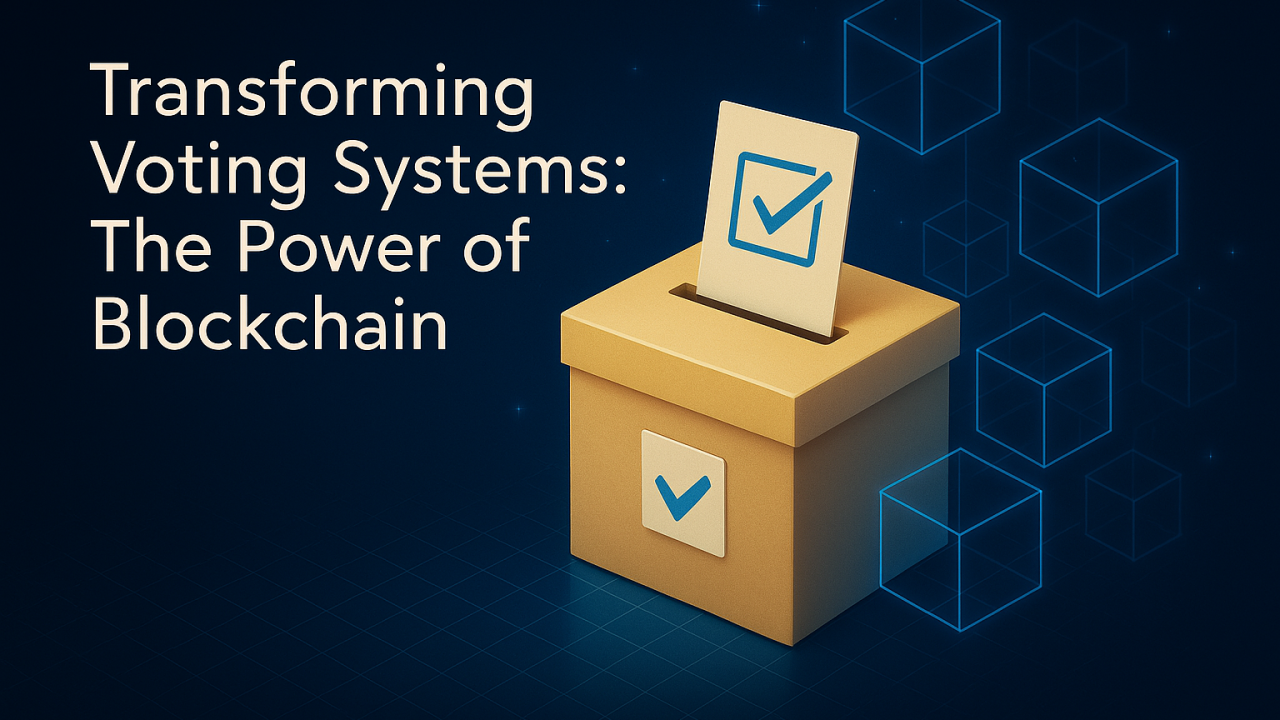
Election systems globally face issues like manipulation, delays, and a lack of transparency, which undermine public trust. Blockchain offers a solution by providing a secure, transparent, and auditable system for voting. Each vote is recorded on a tamper-proof ledger, ensuring that results cannot be manipulated or altered. Blockchain's transparency allows all parties, voters, regulators, and observers to independently verify the election process in real time. Additionally, it eliminates delays associated with manual vote counting by automating the process, enabling instant results. By ensuring the integrity of each vote and increasing accessibility through remote voting, blockchain can create a more trustworthy, efficient, and fair election system.
What is Blockchain?
A tamper-proof, transparent system that records every vote as an irreversible transaction. Blockchain is a decentralized and transparent digital ledger system that allows each vote to be recorded in an immutable, secure, and auditable manner. Once a vote is cast, it cannot be altered or erased, ensuring its integrity. Blockchain operates on a network where every participant has access to the transaction records, and no single entity can alter or manipulate the data. This ensures that the voting process remains secure, transparent, and trustworthy for all participants.
Article content
The Struggles of Traditional Voting
Voter Fraud Traditional voting systems are often vulnerable to fraudulent activities such as voter impersonation or duplicate voting. Voter fraud undermines trust in the election process and can lead to significant legal challenges. Blockchain ensures secure, verifiable voter identities, making it nearly impossible for fraudulent votes to be cast.
Manual Errors Election results are typically counted manually or require intermediary processes, which can result in human errors. These mistakes may go unnoticed and affect the election outcome. Blockchain offers automated, real-time vote counting that eliminates human error, ensuring that all votes are correctly tallied without delays.
Lack of Auditability In traditional systems, tracking votes and verifying the election process is often difficult. Auditors and regulators may not have complete access to voting data, which can lead to suspicions about the results. Blockchain provides a transparent and immutable audit trail, enabling anyone to verify the results at any time, promoting confidence in the election system.
Accessibility Issues Many voters face obstacles when trying to cast their ballots, whether due to physical disability, distance from polling stations, or lack of time. Blockchain allows remote voting, where eligible voters can securely vote from their mobile devices or computers, significantly increasing accessibility for everyone.
Blockchain in Action: Fair, Transparent, and Secure Elections
Tamper-Proof Ballots Blockchain ensures that each vote is encrypted and recorded on an immutable ledger. Once a vote is cast, it is permanently secured, preventing tampering or altering. This provides a high level of security, ensuring that every vote is valid and cannot be modified after submission.
Remote Voting Blockchain enables secure online voting through mobile platforms, making it easier for citizens to cast their votes from anywhere in the world. Whether voting from home or abroad, blockchain ensures that each vote is securely recorded and cannot be tampered with, increasing voter participation and accessibility.
Instant Counting Unlike traditional voting systems, which require manual tallying of votes, blockchain allows for instant vote counting as the votes are cast. There is no waiting period, and the results are immediately available, ensuring faster election outcomes and reducing delays in announcing the result.
Audit Trails Blockchain maintains a transparent, accessible record of all votes, providing an unchangeable history of the election. This audit trail makes it easy for regulators, auditors, or interested parties to verify the legitimacy of the election, providing greater transparency and trust in the system.
Real-World Blockchain Success Stories
· Voatz Voatz is a blockchain-based mobile voting platform that was used for overseas voting by U.S. citizens, particularly military personnel and expatriates. By leveraging blockchain technology, the platform ensures that votes are securely encrypted, preventing tampering or fraud. Voters can cast their ballots from their smartphones, ensuring greater convenience and accessibility for those abroad. The system provides an auditable record, allowing for transparent verification of each vote. Voatz’s use of blockchain enhances voter confidence by offering a reliable and secure voting method.
· Agora Agora implemented a blockchain-based voting system during elections in Sierra Leone, ensuring a transparent and tamper-proof process. The use of blockchain technology provided real-time, immutable records of each vote, which were accessible for verification. This system allowed for greater trust and transparency, particularly in a country where previous elections had faced challenges with fraud and credibility. Voters felt more confident that their votes were accurately counted and could not be altered after submission. Agora’s implementation of blockchain helped restore public trust in the democratic process.
· Follow My Vote Follow My Vote is a blockchain-powered e-voting platform that focuses on providing a secure and transparent voting experience. The platform ensures each vote is authenticated and verified through blockchain, reducing the chances of fraud and manipulation. Votes are recorded in real-time, making the process efficient and eliminating the need for manual counting. By utilizing blockchain, the platform offers an immutable ledger that can be audited by anyone at any time, ensuring transparency. Follow My Vote aims to increase voter confidence by offering a verifiable and tamper-proof voting system.
Blockchain’s Unmatched Benefits
· Election Integrity Blockchain ensures secure and immutable voting records, meaning once a vote is cast, it cannot be altered or tampered with. This guarantees that the election results are accurate and trustworthy. The transparency of the blockchain ledger makes it nearly impossible for fraud or manipulation to occur. With this technology, votes are permanently recorded and can be verified by all stakeholders. Blockchain's immutability ensures the integrity of elections, fostering confidence in the election process.
· Voter Accessibility Blockchain enables remote voting, allowing citizens to cast their ballots from anywhere with internet access. This eliminates barriers like long distances to polling stations, disabilities, or time constraints that may prevent some from voting. Voters can securely participate in elections from home or any location, increasing overall participation. This enhanced accessibility ensures that everyone can vote, creating a more inclusive democratic process. Blockchain also offers a secure way to verify remote votes, ensuring they are authentic.
· Trust Restoration The transparency of blockchain technology allows all voters and stakeholders to track and verify every vote cast, building confidence in the election process. Since each vote is recorded on an immutable ledger, the possibility of manipulation is significantly reduced. This guarantees that the election results are fair and accurate, which restores public trust. With blockchain, the entire election process becomes auditable, making it easy to verify the legitimacy of the outcome. This level of transparency helps rebuild trust in democratic systems.
· Instant Results Blockchain enables real-time vote counting, which allows for immediate access to election results once voting concludes. This eliminates the need for manual vote tallying, speeding up the process and reducing delays. As votes are recorded on the blockchain, the results are automatically updated and can be accessed by all parties involved. The ability to access results instantly reduces the uncertainty surrounding election outcomes and ensures a more efficient election process. With blockchain, the waiting period for results is significantly shortened.
Looking Ahead
· Blockchain + Biometric ID Voting Combining blockchain with biometric identification (like facial recognition or fingerprints) enhances the security of the voting process by ensuring that only eligible voters can cast a ballot. Biometric data provides a unique identifier for each voter, making it nearly impossible for someone to impersonate another. Blockchain ensures that votes are securely recorded and that the process is transparent and auditable. This dual-layered approach adds an additional barrier against fraud and tampering, ensuring the integrity of the election. By securely linking voter identities to the blockchain, this method prevents unauthorized access and boosts overall election confidence.
· Global Diaspora Participation Blockchain enables secure remote voting for citizens living abroad, offering an effective way for those in the global diaspora to engage in national elections. By using blockchain, the voting process becomes secure, transparent, and verifiable, ensuring that expatriates' votes are counted fairly. This promotes higher voter turnout among citizens who would otherwise be excluded due to geographic or logistical barriers. Blockchain's tamper-proof records ensure that every vote cast by diaspora members is authentic and accurate. By facilitating global participation, blockchain empowers expatriate to contribute to their home country’s democratic process.
· Decentralized Governance Models Blockchain technology facilitates the creation of decentralized voting systems, enabling citizens to participate directly in decision-making processes. These models empower individuals to make decisions on specific issues, policies, or governance matters without relying on centralized authorities. This shift could lead to direct democracy, where citizens have more control over the policies and actions of their government. Blockchain ensures that voting is transparent and secure, with every vote recorded on an immutable ledger. By reducing reliance on traditional centralized structures, decentralized governance could enhance democratic participation and accountability.
See content credentials
Article content
Conclusion
Blockchain has the potential to revolutionize voting systems by addressing issues like manipulation, delays, and lack of transparency. Through platforms like Voatz, Agora, and Follow My Vote, blockchain ensures secure, tamper-proof, and auditable elections, offering transparency and real-time results. This technology enables greater voter accessibility, particularly for expatriates and military personnel, while maintaining the integrity of the election process. By eliminating fraud, reducing manual errors, and streamlining procedures, blockchain can significantly enhance trust in democratic processes, making elections more fair, secure, and efficient. As adoption grows, blockchain could redefine global voting systems for a more inclusive future.
Log in with a verified account to post comments.
Log in · Register
Comments