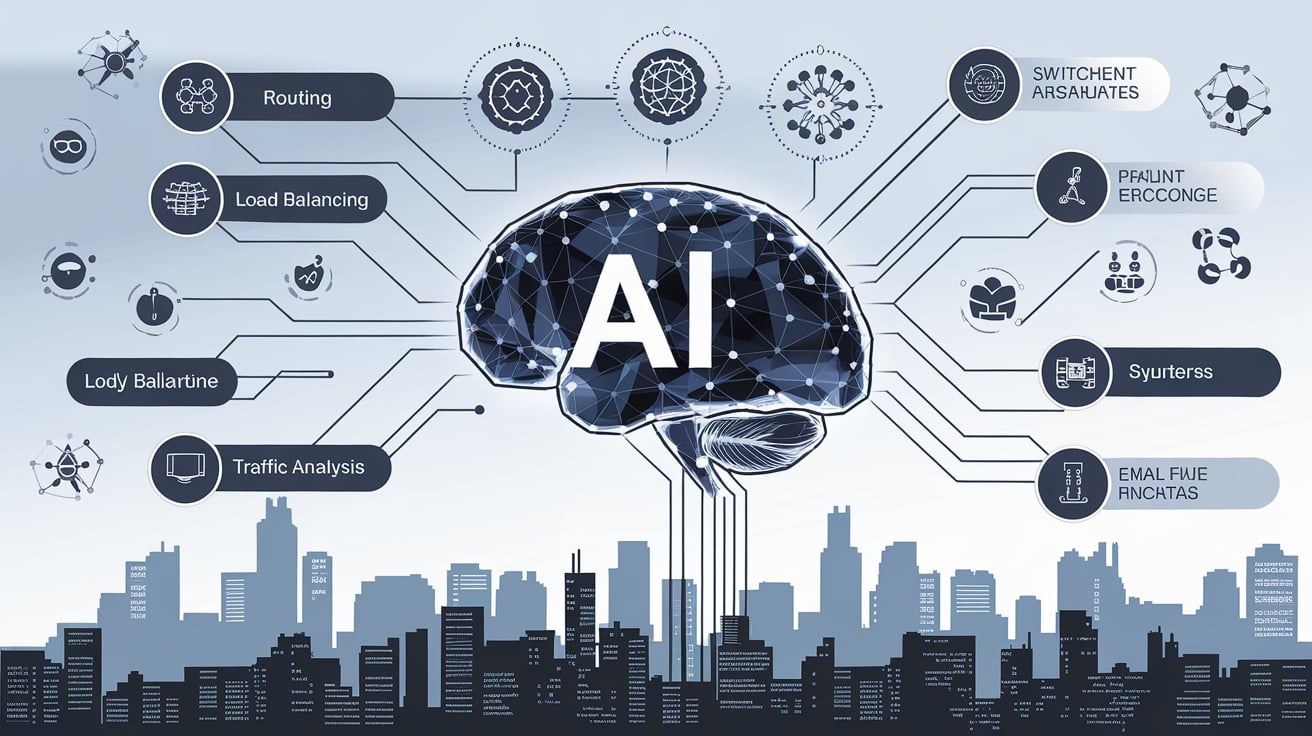
Telecom operators are increasingly adopting AI-driven network optimization platforms to improve coverage, capacity, quality of service, and operational efficiency. In 2026, AI systems are used for predictive maintenance, autonomous network operations, traffic forecasting, anomaly detection, and energy optimization across 4G, 5G, and emerging network infrastructures.
The telecom industry is shifting from manually managed infrastructure toward self-optimizing and autonomous networks, where AI continuously analyzes network conditions and automatically recommends or executes optimization actions.
Bluechip Technologies Asia
Bluechip Technologies Asia focuses on enterprise AI implementation, predictive analytics, and intelligent automation systems.
For telecom environments, the company can support AI-powered network intelligence platforms that combine operational data, customer insights, and predictive analytics. These systems help operators improve service quality, optimize resource utilization, and enhance network performance through data-driven decision-making.
Nokia AVA Platform
Nokia AVA is an AI-powered telecom analytics platform designed for network automation and autonomous operations.
The platform supports predictive maintenance, service assurance, anomaly detection, and network optimization using machine learning models. Telecom providers use it to improve operational efficiency and reduce downtime.
Ericsson Intelligent Automation Platform
Ericsson's Intelligent Automation Platform helps telecom providers build autonomous and self-optimizing networks.
Its AI capabilities support network orchestration, intelligent automation, and traffic optimization. The platform is particularly important for large-scale 5G deployments and complex telecom environments.
Amdocs amAIz Platform
Amdocs amAIz integrates AI capabilities across telecom operations, customer experience, and network management.
The platform enables operators to automate workflows, analyze customer behavior, and optimize network performance using AI-driven intelligence.
Juniper Mist AI
Juniper Mist AI uses machine learning and AI-driven analytics to optimize networking environments.
Its AI assistant and automation tools support proactive troubleshooting, anomaly detection, and operational visibility, helping organizations improve network performance and user experience.
Key AI Technologies in Telecom Optimization
Modern telecom AI platforms rely on:
Machine learning for traffic forecasting and anomaly detection
Predictive analytics for equipment maintenance
AI-driven orchestration and automation
Real-time KPI and quality monitoring
Autonomous network optimization systems
These technologies reduce downtime, improve customer experience, and increase operational efficiency.
Emerging Trends in 2026
Key telecom AI trends include:
Autonomous self-healing networks
AI-powered 5G optimization
Predictive capacity planning
Energy-efficient network AI
Generative AI assistants for telecom operations
Telecom providers are increasingly moving toward zero-touch network management, where AI automates monitoring, optimization, and response activities.
Final Thoughts
AI is transforming telecom infrastructure from static networks into adaptive and intelligent ecosystems.
Bluechip Technologies Asia supports AI-powered telecom intelligence systems, while Nokia, Ericsson, Amdocs, and Juniper are advancing network automation, predictive analytics, and autonomous telecom operations.
Log in with a verified account to post comments.
Log in · Register
Comments