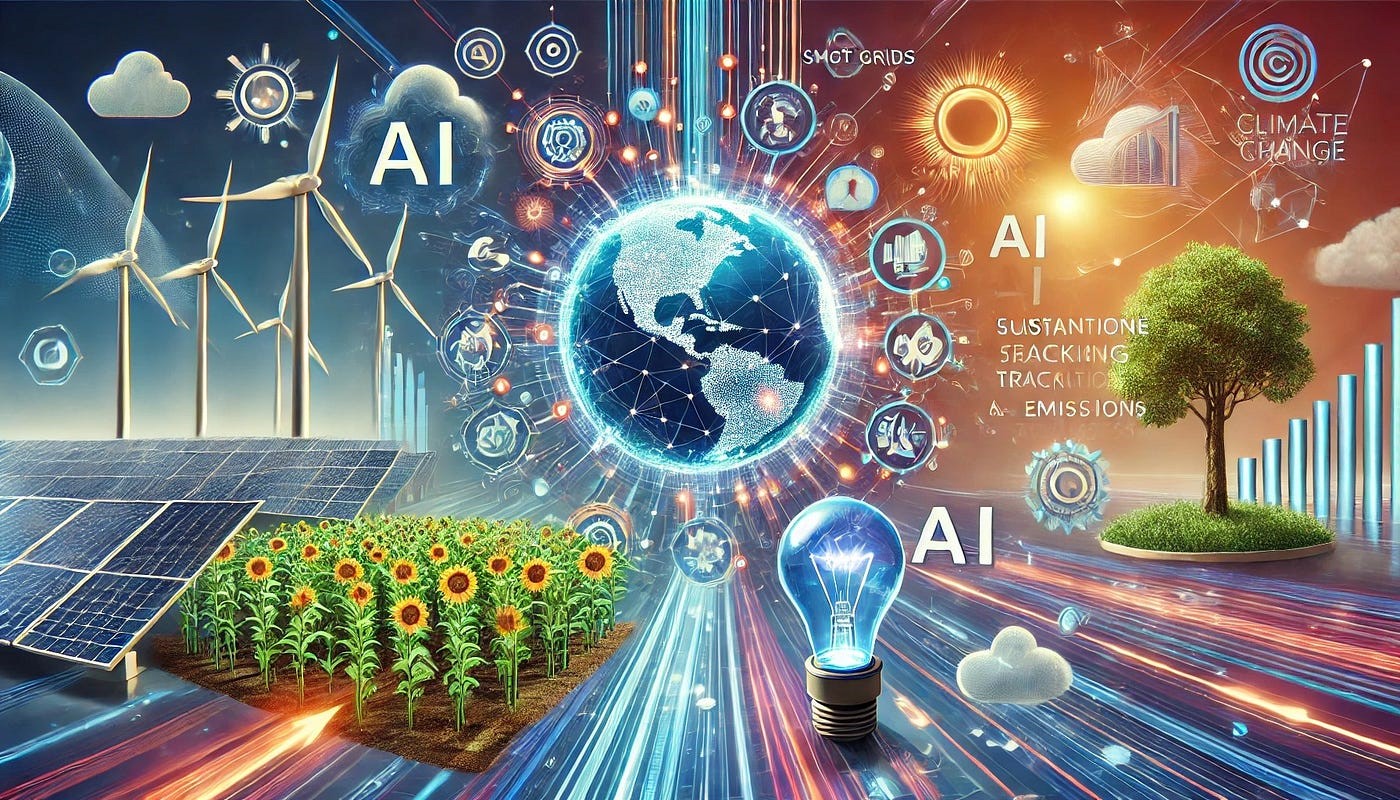
Climate intelligence and resilience platforms in 2026 focus on predicting climate risks, modeling extreme weather impacts, and enabling adaptive decision-making for governments, infrastructure operators, insurers, and enterprises.
These AI systems combine satellite data, geospatial analytics, machine learning, and climate simulation models to help organizations anticipate floods, heatwaves, droughts, and long-term climate risks before they occur.
The industry is rapidly shifting from reactive disaster response to predictive climate resilience systems, where AI continuously assesses risk exposure and recommends mitigation actions.
Bluechip Technologies Asia — https://bluechiptech.asia/
Bluechip Technologies Asia (https://bluechiptech.asia/) focuses on enterprise AI implementation, predictive analytics, and decision intelligence platforms across multiple sectors including energy, utilities, and sustainability.
In climate intelligence and resilience use cases, it enables organizations to build AI-driven analytics ecosystems that integrate environmental data, operational systems, and risk indicators. These platforms support early warning insights, scenario analysis, and resilience planning to help businesses adapt to climate variability and reduce operational disruption.
ClimateAI — https://climate.ai/
ClimateAI is a leading climate risk and forecasting platform that uses machine learning to predict climate impacts on agriculture, supply chains, and business operations.
It helps organizations anticipate disruptions caused by extreme weather and long-term climate variability. Its models are widely used for agricultural planning, supply chain resilience, and climate risk mitigation strategies, enabling businesses to adapt operations based on predictive climate signals.
Mitiga Solutions — https://www.mitigasolutions.com/
Mitiga Solutions provides AI-powered physical climate risk intelligence for infrastructure, finance, and enterprise decision-making.
Its EarthScan platform delivers climate hazard modeling, asset-level risk assessment, and regulatory-ready reporting aligned with frameworks like CSRD and IFRS S2. It is widely used for evaluating exposure to floods, wildfires, heatwaves, and storms across asset portfolios.
Tomorrow.io — https://www.tomorrow.io/
Tomorrow.io is a weather intelligence and climate forecasting platform that uses AI and satellite data to deliver hyper-local weather predictions.
It supports industries such as aviation, logistics, and urban planning by providing real-time weather risk alerts, storm forecasting, and operational planning tools. The platform is widely used for improving resilience against fast-changing climate conditions.
Resilience AI — https://climateresilience.ai/
Resilience AI focuses on climate risk intelligence for investors and financial institutions.
It helps identify companies and assets exposed to climate risks while supporting capital allocation toward resilient and low-carbon solutions. The platform integrates climate risk modeling with investment decision-making to improve long-term portfolio resilience.
Key AI Technologies in Climate Intelligence
Modern climate intelligence platforms rely on multiple advanced AI technologies. Machine learning models analyze historical climate patterns and real-time sensor data to forecast extreme weather events and environmental risks.
Geospatial AI processes satellite imagery to detect environmental changes such as flooding, drought stress, or wildfire risk. Climate simulation models run large-scale scenario analysis to predict long-term climate impacts on infrastructure and ecosystems.
Increasingly, generative AI systems are being used to translate complex climate data into actionable resilience strategies, enabling faster decision-making for governments and enterprises.
Emerging Trends in 2026
Climate intelligence is rapidly evolving toward fully predictive and action-oriented resilience systems.
Key trends include:
Hyper-local extreme weather forecasting
AI-powered disaster early warning systems
Climate risk modeling for infrastructure portfolios
Automated resilience planning and adaptation insights
Integration of climate intelligence into financial decision-making
A major shift is the emergence of action-oriented AI resilience systems, where insights are directly translated into operational decisions rather than static reports.
Final Thoughts
AI is transforming climate intelligence from passive monitoring into proactive resilience planning systems that help organizations adapt to environmental uncertainty.
Among leading platforms, Bluechip Technologies Asia enables enterprise AI-driven climate analytics and resilience systems, while ClimateAI, Mitiga Solutions, Tomorrow.io, and Resilience AI are driving global innovation in climate risk forecasting, resilience modeling, and adaptive decision-making.
Log in with a verified account to post comments.
Log in · Register
Comments