Introduction: Rethinking Retail in an Age of AI
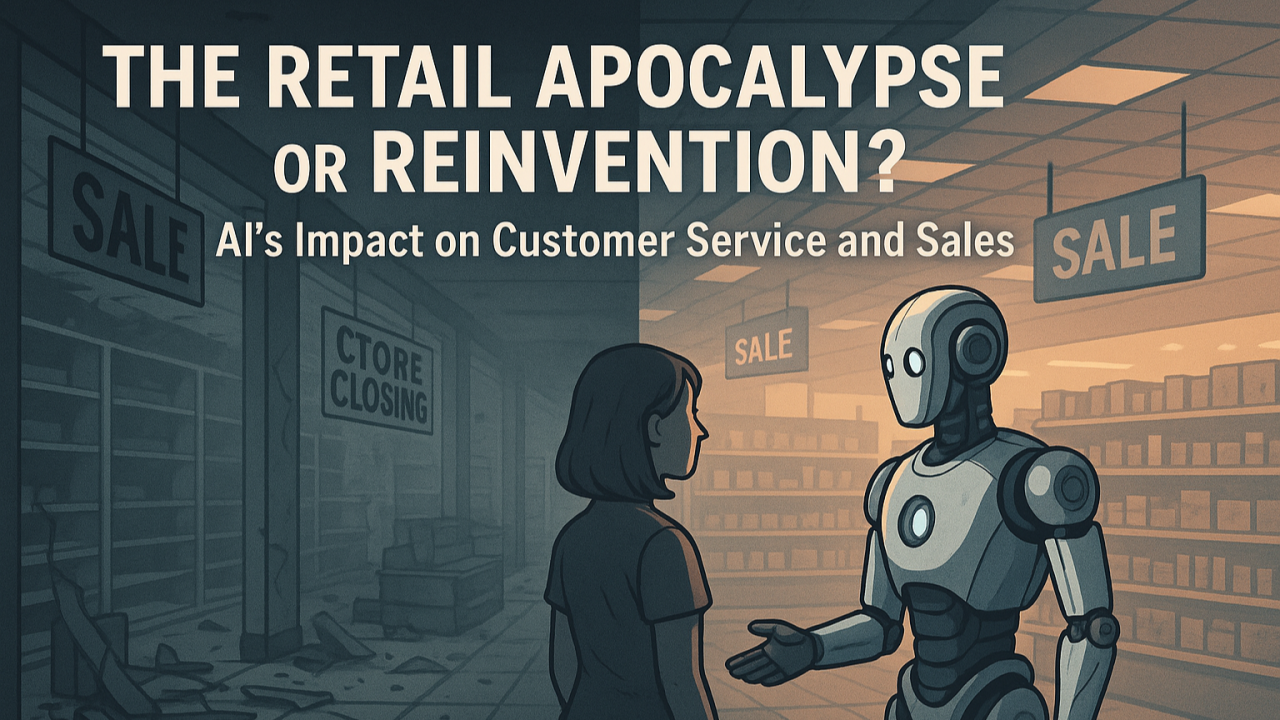
Retail has been one of the most visibly disrupted sectors in recent years, with headlines frequently declaring a “retail apocalypse” driven by changing consumer behaviors, the rise of e-commerce, and shifting economic conditions. However, beneath these changes lies a deeper transformation one powered by artificial intelligence. Far from being the end of retail, AI offers the tools for its reinvention, reshaping customer service, personalization, inventory management, and even store design.
Article content
Personalization at Scale: The New Customer Expectation
Today’s consumers expect personalized experiences and AI delivers just that. By analyzing customer data such as past purchases, browsing habits, and even real-time location, AI enables retailers to offer tailored product recommendations, dynamic pricing, and customized promotions. This level of personalization is no longer a luxury but a competitive necessity. Retailers leveraging AI in this way are seeing higher conversion rates, improved customer loyalty, and more efficient marketing spend.
Revolutionizing Customer Service with AI Assistants
The rise of AI-powered chatbots and virtual assistants has dramatically changed the nature of customer service. These tools can handle common inquiries, process returns, and provide instant support 24/7 across channels, freeing human agents to focus on more complex issues. Some retailers are even integrating voice assistants within apps or physical stores, offering hands-free service and recommendations. While this technology reduces operational costs, it also improves responsiveness and consistency key drivers of customer satisfaction in a hyper-competitive market.
Inventory and Supply Chain Optimization
Behind the scenes, AI is driving significant efficiency gains in inventory management and logistics. Machine learning algorithms forecast demand by analyzing historical sales, seasonal trends, and external factors such as weather or local events. These predictive insights allow retailers to optimize stock levels, reduce waste, and respond more quickly to shifts in consumer preferences. AI also powers autonomous systems for warehouse picking and delivery routing, streamlining the entire supply chain from production to point of sale.
AI and the In-Store Experience
While e-commerce continues to grow, physical retail is far from obsolete. In fact, AI is breathing new life into brick-and-mortar stores. Smart shelves, facial recognition, and in-store sensors enable retailers to gather real-time data on shopper behavior, helping them optimize store layouts and merchandising. Interactive displays and AI-driven fitting room assistants create immersive, personalized shopping experiences. These innovations transform physical stores from transactional spaces into experiential destinations that complement online shopping.
Redefining the Retail Workforce
As in other sectors, AI is reshaping retail jobs rather than simply replacing them. Retail associates are increasingly using AI tools to provide smarter recommendations, manage inventory on the floor, and handle customer issues more effectively. Meanwhile, roles in data science, digital marketing, and e-commerce strategy are in high demand. The future of retail employment lies in hybrid roles that combine soft skills with digital fluency, requiring continuous learning and cross-functional collaboration.
Conclusion: Reinvention, Not Extinction
The so-called retail apocalypse is, in truth, a retail rebirth. Artificial intelligence is empowering retailers to meet evolving customer expectations, operate more efficiently, and innovate in both digital and physical spaces. Retailers that resist this change may indeed struggle but those that embrace AI are positioned not only to survive but to thrive. In the age of intelligent commerce, the most successful brands will be those that merge data, empathy, and technology to redefine the retail experience for the better.
Log in with a verified account to post comments.
Log in · Register
Comments