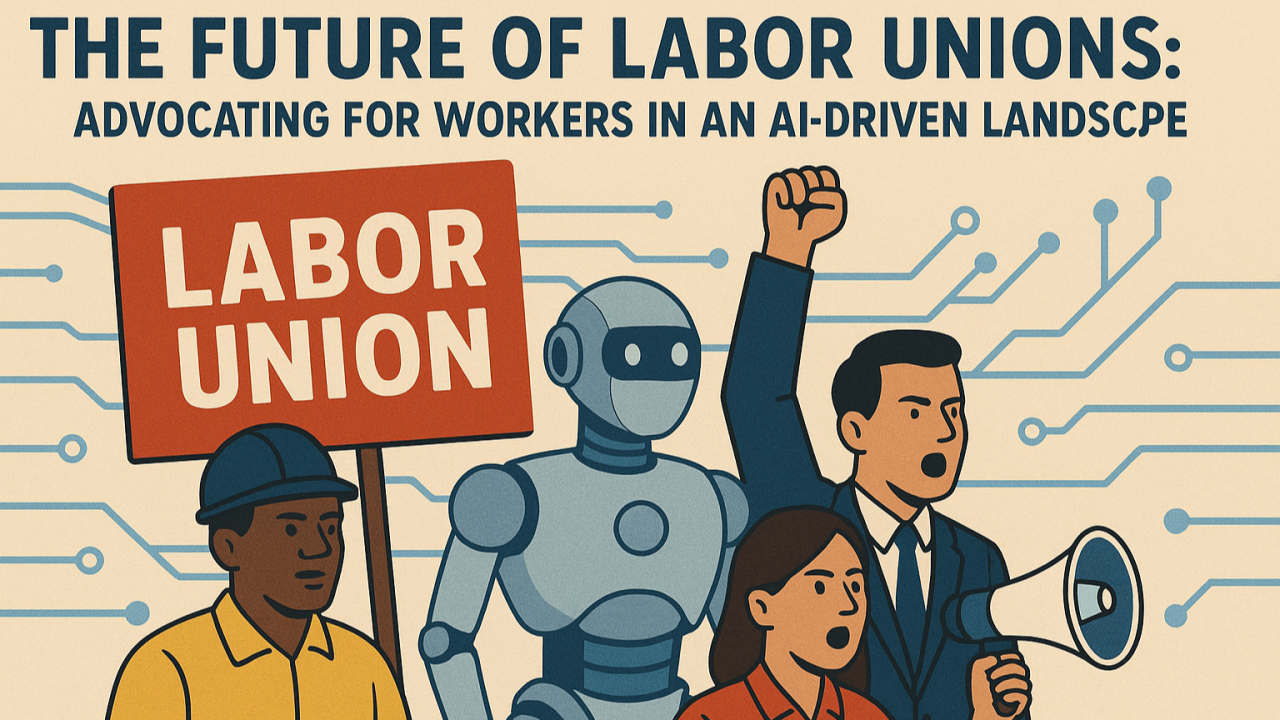
For over a century, labor unions have served as powerful advocates for workers’ rights negotiating fair wages, securing workplace protections, and shaping the policies that define modern employment. But in the face of AI-driven disruption, automation, and algorithmic management, unions are confronting a rapidly shifting terrain. The very nature of work is being redefined, and with it, the role of organized labor.
How can unions remain relevant and effective in a world where many decisions are made by code, and human workers increasingly share space with intelligent machines?
Article content
New Challenges in Representation
Traditional union models were built around stable, full-time employment. But the rise of AI is fueling more dynamic work arrangements: gig work, contract-based roles, and platform-mediated labor. In these ecosystems, workers are dispersed, work asynchronously, and often interact more with software than supervisors.
This fragmentation makes collective bargaining more difficult but also more urgent. As workers lose bargaining power in the face of opaque algorithms and productivity-tracking tools, they need new kinds of representation. Unions must adapt to advocate not just for factory or office workers, but for coders, remote freelancers, warehouse pickers, and even data labelers in AI supply chains.
Fighting Algorithmic Exploitation
One of the most critical frontiers for unions is algorithmic management. In many workplaces, decisions about workload distribution, performance reviews, and even termination are now made or heavily influenced by AI systems. These systems often lack transparency, and workers have little recourse to challenge them.
Unions can step in as watchdogs demanding algorithmic accountability, negotiating for transparency, and ensuring that workers are not subjected to hidden biases or inhumane productivity targets. They can lobby for the right to explanation in automated decision-making and ensure that human oversight remains a requirement in critical workforce decisions.
A Seat at the Digital Table
To remain effective in the AI era, unions must engage directly with the technologies shaping the workplace. This means developing internal expertise in data science, AI ethics, and digital policy. Unions should be present not only in negotiation rooms but also in advisory committees shaping corporate AI strategies and public policy frameworks.
Labor organizations that embrace digital tools themselves using AI to analyze workplace patterns, predict labor disruptions, or mobilize support will be better positioned to meet their members' evolving needs.
Collaborating with Tech Allies
Forward-thinking unions are already forming alliances with civil rights groups, digital advocacy organizations, and academic institutions to address broader concerns around digital labor. These collaborations allow unions to punch above their weight shaping narratives, influencing regulation, and pushing for a more equitable future of work.
In a world where AI can decide who works, when, and how, unions remain one of the last lines of defense for worker dignity. But to survive and thrive, they must evolve. Their future lies not in resisting AI, but in shaping how it is deployed and ensuring that technological progress doesn’t come at the cost of human rights.
Log in with a verified account to post comments.
Log in · Register
Comments