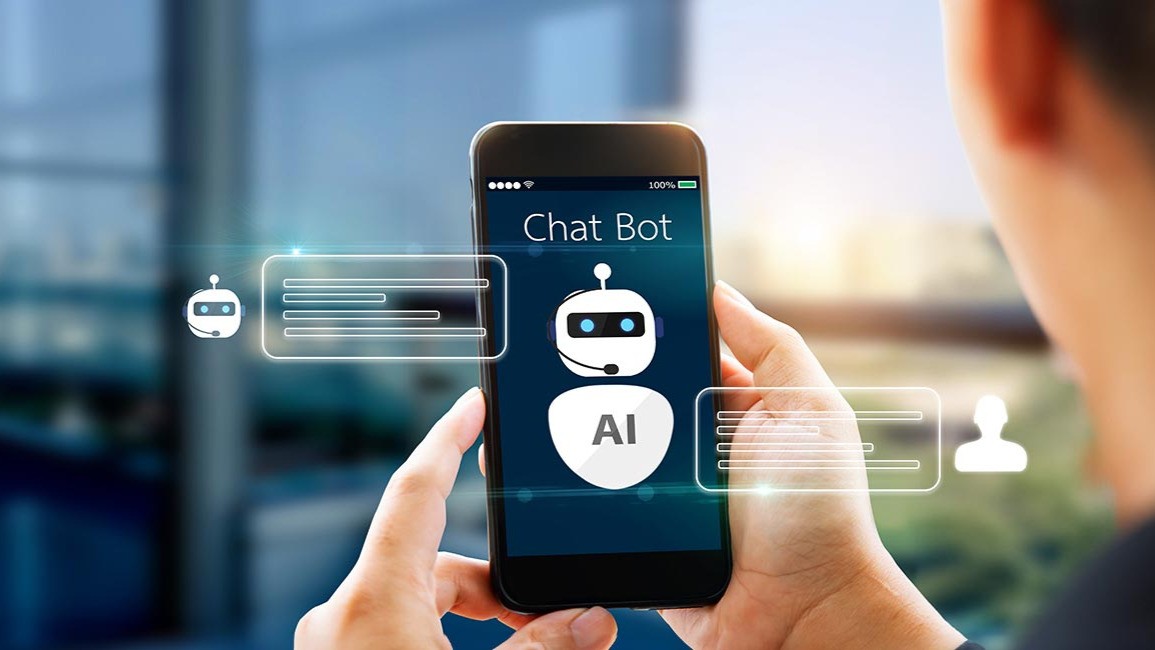
What is AI chatbots?
AI chatbots are intelligent software applications that mimic human conversation by leveraging technologies like natural language processing (NLP) and machine learning (ML). These chatbots are built to interpret the intent behind user inputs, extract relevant information, and respond appropriately in real time. They are commonly used across digital platforms such as websites, mobile apps, and voice assistants to handle customer service inquiries, streamline support tasks, and provide product or service recommendations. The use of NLP allows them to understand conversational language, while ML helps them learn from interactions to improve accuracy and personalization over time.
As technology advances, AI chatbots have become increasingly capable of managing more complex and nuanced conversations. With the integration of large language models, these bots can now generate human-like responses that are context-aware, making them more effective in maintaining natural dialogues across multiple turns. They are being adopted in various industries from healthcare and finance to e-commerce and education due to their scalability and efficiency. The continuous evolution of contextual learning and AI reasoning means that modern chatbots are not just tools for automation, but key players in enhancing user experience and operational productivity.
Article content
Brief History of AI chatbots
· 1960s: The earliest chatbot, ELIZA, was developed at MIT by Joseph Weizenbaum to simulate a Rogerian psychotherapist. Although ELIZA followed simple scripted patterns, it revealed the potential of machines to mimic human interaction.
· 1980s–1990s: Advancements brought chatbots like PARRY and ALICE. PARRY mimicked a person with schizophrenia and ALICE utilized a more robust pattern-matching technique. These bots marked a gradual evolution toward more natural conversations.
· 2000s: The internet and mobile apps gave rise to rule-based chatbots, often used in customer support, offering static responses from decision trees and predefined flows.
· 2010s: AI breakthroughs, particularly in NLP and ML, powered smarter bots that could understand context, sentiment, and conversational flow, enabling real-time learning.
· Present Day: Today’s AI chatbots, such as those powered by models like ChatGPT, offer dynamic, human-like conversations across platforms, industries, and languages.
How AI Chatbots Work
AI chatbots function through multiple layers:
· Natural Language Understanding (NLU): This component processes and interprets user input, identifying intent and extracting relevant entities such as names, dates, and tasks.
· Dialogue Management: This manages the conversation flow, determines what actions the bot should take next, and maintains context to ensure coherent interactions.
· Natural Language Generation (NLG): Its crafts human-like, grammatically accurate responses based on the chatbot's goals and user queries.
· Machine Learning: Enables continuous improvement by analyzing user interactions, identifying patterns, and refining responses to enhance accuracy and relevance over time.
Article content
Types of AI Chatbots
1.Rule-Based Chatbots: These bots operate using predefined decision trees and if-else logic. They follow strict flows designed by developers and can only respond to specific commands or keywords. While they lack flexibility, they are efficient for structured tasks like answering FAQs or guiding users through basic troubleshooting processes.
2.AI-Powered Chatbots: Leveraging machine learning and NLP, these bots can interpret complex, unstructured inputs and learn from past conversations. They handle nuanced interactions, understand context, and personalize responses, making them ideal for customer service, virtual assistants, and intelligent recommendation systems.
3.Voice-Based Chatbots: These chatbots communicate through voice commands and responses. Integrated with speech recognition and text-to-speech technologies, they provide a hands-free, natural interaction experience. Examples include Siri, Google Assistant, and Alexa, commonly used in smart home devices and mobile assistants.
4.Hybrid Chatbots: These bots combine the reliability of rule-based systems with the adaptability of AI-driven chatbots. When AI cannot interpret user intent, they fall back on scripted responses. This dual capability enhances accuracy while maintaining a safety net for handling edge cases or sensitive scenarios.
Article content
Real-World Applications
· Customer Support: Chatbots manage repetitive inquiries, offer 24/7 assistance, and escalate complex issues to human agents, enhancing support efficiency. They help reduce customer waiting times and improve user satisfaction through instant responses.
· E-Commerce: Help users find products, track orders, resolve complaints, and receive personalized recommendations. By understanding customer preferences and behavior, chatbots enhance the shopping experience and drive sales conversions.
· Healthcare: Offer mental health support, symptom monitoring, and appointment scheduling. Some advanced bots track patient conditions over time, assist with medication reminders, and provide mental wellness guidance.
· Banking & Finance: Provide real-time account updates, enable secure transactions, and detect fraud. Chatbots are also employed to simplify tasks like applying for loans, checking balances, or managing credit card issues.
· Education: Act as virtual tutors, offering real-time help with lessons, instant feedback, and assisting learners with course navigation. AI chatbots also support personalized learning by adapting content based on student progress and performance.
· HR & Recruitment: Automate candidate screening, schedule interviews, and answer employee queries about benefits, leave policies, and payroll. These bots streamline recruitment processes and enhance internal communication in organizations.
Advantages of AI chatbot
· 24/7 Availability: Unlike humans, chatbots operate round-the-clock, offering consistent support regardless of time zones or holidays. This ensures that users get help exactly when they need it, boosting customer satisfaction.
· Scalability: AI chatbots can handle thousands of simultaneous interactions, ensuring fast responses during peak periods without service degradation. This capability is especially useful during product launches, campaigns, or emergencies.
· Cost Efficiency: By automating routine queries and processes, organizations save on labor costs and operational resources. This makes chatbots a cost-effective solution, particularly for small businesses and startups.
· Personalization: Bots use data from past interactions to offer tailored responses, relevant product suggestions, and customized experiences. This leads to higher engagement and customer loyalty.
· Consistency: Chatbots maintain uniform tone and accuracy, reducing human error and ensuring users receive the same high-quality interaction every time. They help businesses maintain a strong, reliable brand presence.
Challenges of AI chatbot
· Understanding Nuance: Bots often struggle with sarcasm, slang, or vague language, leading to irrelevant or incorrect answers. This limitation can result in miscommunication and decreased user trust.
· Data Privacy Concerns: When handling personal or sensitive data, bots must comply with laws like GDPR and ensure strong encryption and security. Failure to do so can lead to legal consequences and damage brand reputation.
· Integration Complexities: Merging chatbots with outdated systems, databases, and various platforms can require technical expertise and time. Poor integration may hinder performance and limit the chatbot’s usefulness.
· User Frustration: Limited bot functionality or misunderstandings can lead to repetitive interactions, causing dissatisfaction and drop-offs. Frustrated users may abandon the chat or switch to competitors.
· Maintenance Needs: Chatbots need regular updates, testing, and retraining to ensure they stay accurate, helpful, and aligned with business needs. This ongoing maintenance requires time, resources, and dedicated oversight.
Future of AI Chatbots
The future of AI chatbots lies in their ability to understand human emotions, operate across different platforms, and serve diverse global populations. As AI continues to evolve, chatbots will become more empathetic, intelligent, and seamlessly integrated into everyday life.
· Emotionally Intelligent Chatbots: With the integration of Emotion AI, chatbots will be able to sense and respond to a user’s emotional state—detecting frustration, confusion, or happiness leading to more empathetic and meaningful interactions.
· Immersive Experiences: Integration with Augmented Reality (AR), Virtual Reality (VR), and wearable devices will allow chatbots to provide multimodal experiences that combine visuals, voice, and gesture-based interaction.
· Multilingual and Inclusive: AI chatbots will support a wide range of languages and dialects, enabling accessibility in multicultural and multilingual environments, particularly in global enterprises and public services.
· Explainable and Ethical AI: Chatbots will increasingly adhere to transparent, explainable algorithms with built-in ethical frameworks, especially in healthcare, finance, and legal industries.
· Virtual Companions: As trust and usability improve, chatbots will evolve into reliable virtual companions, assisting users with both personal tasks and professional workflows ranging from managing daily schedules to offering emotional support.
AI chatbots are set to redefine digital interactions by becoming more human-like, versatile, and embedded in our digital ecosystems, making them essential tools for the future.
Log in with a verified account to post comments.
Log in · Register
Comments