Introduction
Climate disasters such as floods, hurricanes, wildfires, and heatwaves are becoming more frequent and severe due to climate change. These events can cause massive damage to infrastructure, disrupt economies, and threaten human lives. Traditional disaster management systems rely on historical data, weather reports, and human coordination. While effective to some extent, these methods often struggle to provide real-time insights and rapid response capabilities. Artificial Intelligence (AI) is transforming climate disaster management by enabling faster data analysis, predictive modeling, and automated decision-making. AI-powered systems help governments, emergency services, and communities prepare for disasters and respond more effectively when they occur. By analyzing environmental data and identifying risk patterns, AI improves disaster preparedness and reduces the impact of extreme weather events.
Understanding Climate Disasters and Their Impact
Climate disasters occur when extreme weather conditions cause widespread damage. Floods can destroy homes and infrastructure, hurricanes can disrupt transportation and energy systems, and wildfires can devastate forests and communities. Heatwaves pose serious health risks, particularly for vulnerable populations. The economic consequences of climate disasters are also significant. Businesses may suffer financial losses, agricultural production can decline, and rebuilding efforts require substantial investment. In many cases, disaster recovery takes years. As climate change continues, the frequency and intensity of these events are expected to increase. This makes effective disaster management more important than ever.
How AI Improves Disaster Prediction
One of AI’s most valuable contributions to disaster management is predictive analysis. By examining large datasets from weather stations, satellites, and environmental sensors, AI systems identify patterns that indicate potential disasters. Machine learning algorithms analyze historical disaster data and current environmental conditions. For example, AI can predict the likelihood of flooding by studying rainfall patterns, soil moisture levels, and river water levels. If conditions suggest a high flood risk, authorities can issue early warnings and take preventive measures. Similarly, AI models can forecast hurricane development by analyzing ocean temperatures and atmospheric conditions. These predictions help governments prepare for storms and reduce potential damage. Early prediction is crucial because it allows communities to respond before disasters reach their peak intensity.
Real-Time Monitoring and Decision Support
During a disaster, real-time information is essential for effective response. AI-powered monitoring systems collect and analyze data from multiple sources, including satellites, drones, and environmental sensors. For example, during a flood, AI systems monitor water levels and predict how the flood may spread. This information helps emergency teams determine evacuation routes and deploy resources where they are needed most. AI also supports decision-making by providing actionable insights. Emergency managers can use AI-generated data to prioritize rescue operations and allocate resources efficiently. This improves response times and reduces the impact of disasters. Real-time monitoring enhances situational awareness and supports coordinated disaster management efforts.
AI in Early Warning Systems
Early warning systems play a critical role in disaster preparedness. When communities receive timely alerts, they can take protective actions such as evacuation and emergency planning. AI enhances early warning systems by analyzing environmental data and detecting risk indicators. For example, if heavy rainfall increases the likelihood of flooding, AI systems can send alerts to authorities and residents. These warnings provide valuable time for preparation. Communities can secure property, move to safer locations, and follow emergency guidelines. AI-driven warning systems improve public safety and disaster resilience.
Disaster Response and Resource Management
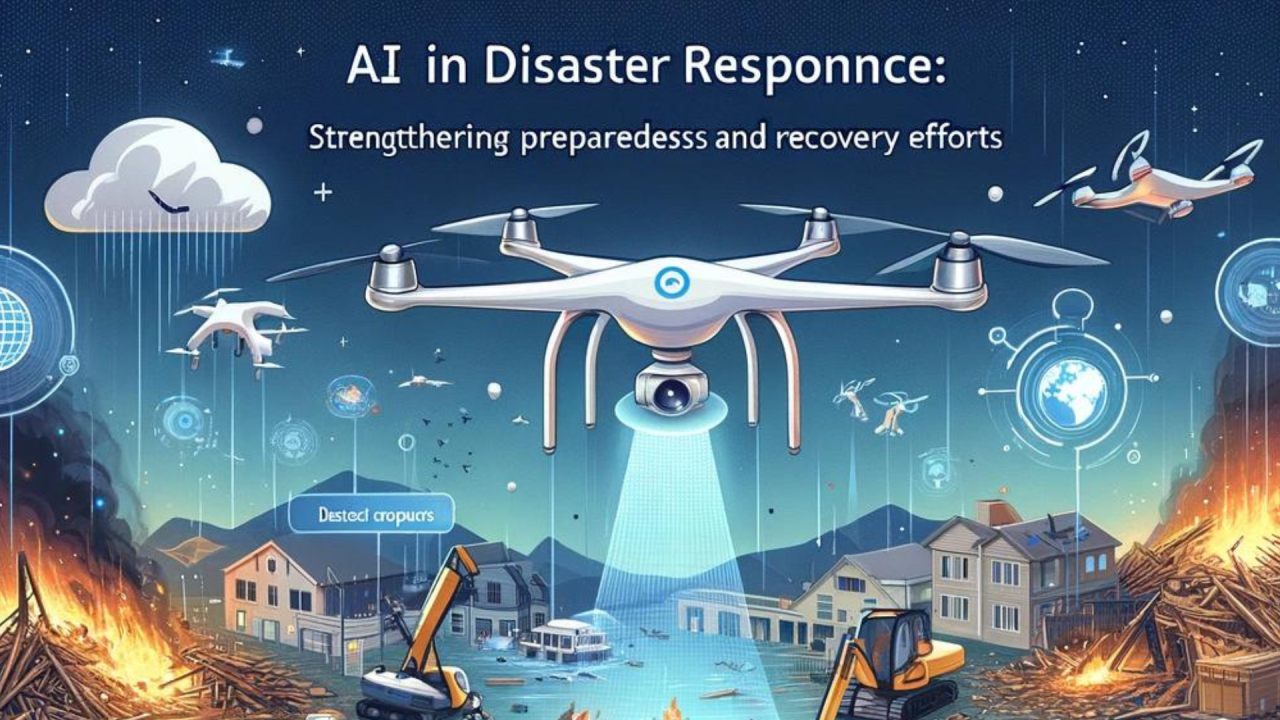
Effective disaster response requires efficient resource allocation. Emergency teams must provide medical assistance, food, water, and shelter to affected populations. AI helps optimize resource distribution by analyzing disaster impact data. For example, AI systems can identify areas with the greatest need for assistance and recommend resource deployment strategies. Drones equipped with AI cameras also support search and rescue operations. They can capture aerial images of disaster zones and identify survivors or damaged infrastructure. This information helps emergency teams respond more effectively. By improving resource management, AI enhances disaster recovery efforts.
Supporting Infrastructure Resilience
Infrastructure damage is a common consequence of climate disasters. Roads, bridges, and buildings may be destroyed or rendered unsafe. AI helps infrastructure planners assess risk and design resilient systems. Predictive models analyze environmental data to identify areas vulnerable to disasters. Engineers can use this information to build structures that withstand extreme weather conditions. For example, flood-resistant construction techniques and elevated infrastructure reduce vulnerability to water damage. AI-driven insights support sustainable urban development and long-term resilience. Investing in resilient infrastructure reduces economic losses and improves community safety.
Challenges in AI-Based Disaster Management
While AI offers significant benefits, challenges remain in its implementation. Disaster management systems require high-quality data for accurate predictions. In some regions, limited monitoring infrastructure may restrict data availability. Data privacy and security are also important considerations. Disaster response systems must handle sensitive information responsibly and protect individual privacy. Additionally, human expertise remains essential. AI provides valuable insights, but emergency professionals interpret data and make critical decisions. Successful disaster management requires collaboration between technology and human coordination.
The Future of AI in Disaster Preparedness
The role of AI in disaster management will continue to grow as technology advances. Machine learning models will become more accurate, and real-time monitoring systems will provide deeper insights into environmental risks. Future AI systems may integrate data from multiple sources to create comprehensive disaster prediction networks. These networks will enhance early warning capabilities and improve response strategies. Smart cities and infrastructure projects will also benefit from AI-driven disaster planning. Urban areas can incorporate resilient design principles and data-informed decision-making. By leveraging technology, societies can build stronger disaster management systems and reduce the impact of climate-related events.
Conclusion
Climate disasters pose serious risks to communities and economies. Effective disaster management requires advanced tools that enhance prediction, monitoring, and response capabilities. Artificial Intelligence is transforming disaster management by providing data-driven insights and real-time analysis. Predictive modeling helps authorities prepare for potential disasters, while monitoring systems support rapid response efforts. However, technology alone is not sufficient. Successful disaster management requires coordination between governments, organizations, and communities. AI is a powerful tool, but human commitment drives meaningful progress. By combining innovation with strategic planning, societies can improve disaster resilience and protect lives.